
 Canada (en)
 Canada (fr)
 EU / EFTA
 United Kingdom
 France
 India
India

Optimizing performance
with adaptive technology
Accessibility should be in
everyone's swim lane.
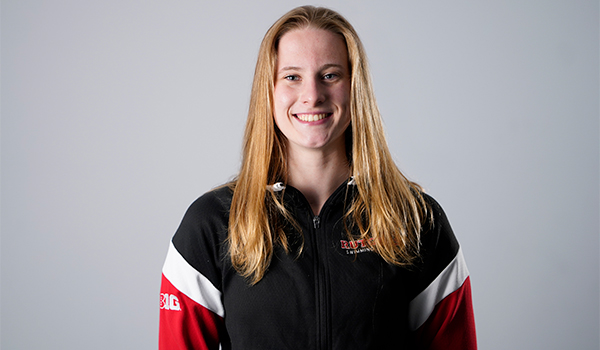
Brooke Thompson, 2025 Team USA Deaflympian

How would you feel if you couldn’t hear the starting horn?
Born completely deaf, Brooke Thompson relies on — and often had to advocate for — adaptive technologies throughout her life, including cochlear implants, closed captioning, and visual cues.
For years, she started races without knowing strobe lights connected to the starting signal were available to her — a tool that could have helped her compete on equal footing. Today, she holds the USA Deaf Swimming Record in the 50-meter freestyle (23.53) and is a multi-medalist at the Deaflympics, continuing to champion access and inclusion in every lane she swims.
Meet Brooke Thompson: Champion in every lane
Brooke Thompson is a record-holding deaf swimmer and rising junior at Rutgers University, majoring in business leadership and management. Born in Bloomfield Hills, Michigan, Brooke spent summers immersed in water sports. She received her first cochlear implant at age 1 and her second at age 4 — but cochlear devices couldn’t be worn in water. Swim lessons posed a safety risk: instructors couldn’t communicate with her in emergencies. Her parents gave her a challenge: If you want to be in the water, be the best swimmer out there. She accepted — and delivered.
Creating an inclusive environment isn’t a solo sprint — it’s a relay.
Ensuring adaptive technology is available to every end user takes coordination, timing, and trust. Whether you’re in IT, HR, leadership, or advocating for accessibility, you play a vital role in making sure every swimmer gets to dive in with the tools they need to compete.
Brooke’s story shows why inclusive technology matters — not just for athletes, but for teams and organizations everywhere.
"I’ve learned that when organizations truly listen and make space for everyone — especially those of us with different needs — we all thrive. Even small accommodations, if backed by strong policies and technology, can transform a workplace into something inclusive and empowering.""— Brooke Thompson, Rutgers University Swimmer and Deaflympian
Is your tech helping everyone swim forward?
In the workplace, the starting blocks aren’t the same for everyone. Many employees with disabilities don’t feel empowered to ask for accommodations — and many organizations lack the technology that enables them to thrive.
That’s more than 61 million people — each with unique needs, talents, and potential.
Conditions like chronic pain, hearing loss, neurodivergence, and mental health challenges often go unseen — and unsupported.
Yet nearly 1 billion lack access to the technology they need (World Health Organization).
Not because they don’t need them — but because the environment doesn’t support their use, or they feel uncomfortable asking for them (NIHR).
- Over 1 in 4 Americans live with a disability
- 96% of disabilities are invisible (Forbes)
- Over 2.5 billion people globally need assistive products
- 70% of users abandon assistive technologies